Knowledge Hub
Health & Wellness Articles
Stay informed with our science-backed articles, wellness guides, and expert insights designed to support your everyday health journey.
Browse by topic
Dietary Supplements
Read Article
Do Collagen Peptides Actually Work? Evidence Review
Americans spend nearly $5.8 billion a year on collagen, but pooled clinical trials tell a different story than the labels do. We reviewed the meta-analyses, including the industry-funding pattern most brands leave out.

Metabolic Health
Read Article
Ozempic Face: What Causes It and What the Research Actually Shows
An estimated 31 million Americans are now on a GLP-1 drug, and dermatologists are reporting a sharp rise in a specific pattern of facial aging that comes with rapid weight loss. Here's what the 2026 research says about why it happens and what actually helps.

Sleep Health
Read Article
REM Sleep: How Much You Need and How to Get More of It
A new PLOS Medicine study of more than 95,000 adults linked more REM sleep to a lower risk of 83 diseases, including dementia and heart failure. Here's what REM sleep is, how much you need, and the habits that may help you get more of it.
Brain Health
Read Article
Does Glucosamine Work? What a New Study Says About Dementia Risk
A study found that glucosamine use was linked to a 25% higher risk of mild cognitive impairment progressing to dementia. Here's what the research actually shows, where the evidence gets shakier, and what it means if you take glucosamine for joint pain.
Metabolic Health
Read Article
Ultra-Processed Foods and Insulin: What a New 2026 Study Found
A 2026 Nature Metabolism trial found that an ultra-processed meal triggered more insulin than a matched whole-food meal, even with the same calories, carbs, fat, protein, and fiber. Here's what it showed, what it can't prove, and what to do with it.

Women's Health
Read Article
Iron Deficiency Without Anemia: Symptoms, Causes, and Treatment
A 2026 analysis of national health data found 27.4% of reproductive-age women are iron deficient, even though most standard blood tests would never catch it. Here's what causes it and the one test that actually confirms it.
Metabolic Health
Read Article
Hypothyroidism Symptoms: The Early (and Subclinical) Signs You Might Be Missing
An estimated 20 million Americans have some form of thyroid disease, and many cases start as subclinical hypothyroidism, a milder stage that often shows no symptoms at all. Here's what the research says about the signs, causes, and who actually needs treatment.
Metabolic Health
Read Article
Why Do You Regain Weight After Dieting? What New Fat Cell Research Shows
A new Cell Reports study suggests fat cells may keep a "memory" of obesity that leaves a hunger hormone switched on after weight loss. Here's what the mouse research shows, what it doesn't, and what the human data say about keeping weight off.

Heart & Cardiovascular
Read Article
High Blood Pressure: Why 6 in 10 Cases Go Undiagnosed, and What Actually Helps
A study of 1.4 million adults found that more than a third had high blood pressure, and nearly 6 in 10 of them didn't know it. Here's why so many cases go undiagnosed, and what a separate study found about isometric exercise and blood pressure.

Women's Health
Read Article
Breast Cancer Screening: What New Research Says About Overdiagnosis and 3D Mammograms
Two new studies are reshaping the debate over mammograms: one suggests overdiagnosis may be far rarer than old estimates, the other tested 3D screening in nearly 100,000 women. Here's what they show, what they can't prove, and what current guidelines recommend.

Sleep Health
Read Article
Sleep Apnea Symptoms: Warning Signs You Should Know
Sleep apnea can show up as more than loud snoring. Learn the signs people overlook, why symptoms may differ in women, and what a medically supervised sleep test can reveal.
Dietary Supplements
Read Article
Does Fish Oil Work? What a New Two-Year Brain Health Trial Found
Americans spend more than $1 billion a year on omega-3 supplements, many hoping to protect their memory. A new two-year trial found that high-dose DHA reached the brain but didn't improve memory or brain size. Here's what fish oil does and doesn't do.
Dietary Supplements
Read Article
Can You Take Creatine Without Working Out? What a New Study Found
A new 12-week trial found that adults aged 45 to 65 who took creatine without exercising gained about 2.4 pounds of lean tissue. Here's what the study showed, why it's less certain than the headlines suggest, and what the wider research says.

Environmental Health
Read Article
Microplastics in Your Body: What Research Shows
Scientists have detected tiny plastic particles in human samples, but what does that mean for health? New 2026 research reveals what is known, what remains uncertain, and which practical precautions make sense.
Metabolic Health
Read Article
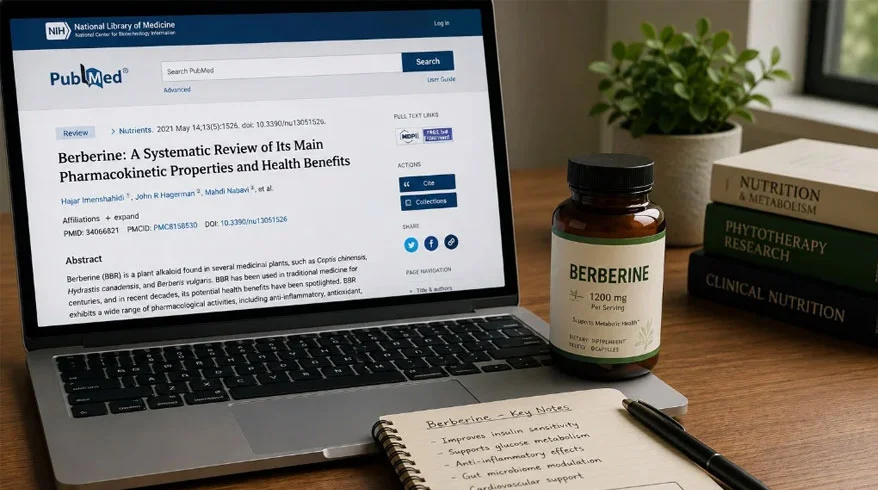
The Truth About Berberine: Clinical Dosages, Absorption, and Side Effects
Berberine is widely touted for metabolic health, but clinical data shows that standard formulas suffer from severe absorption limitations. We audit the science, the dosages, and the industry claims.
Dietary Supplements
Read Article
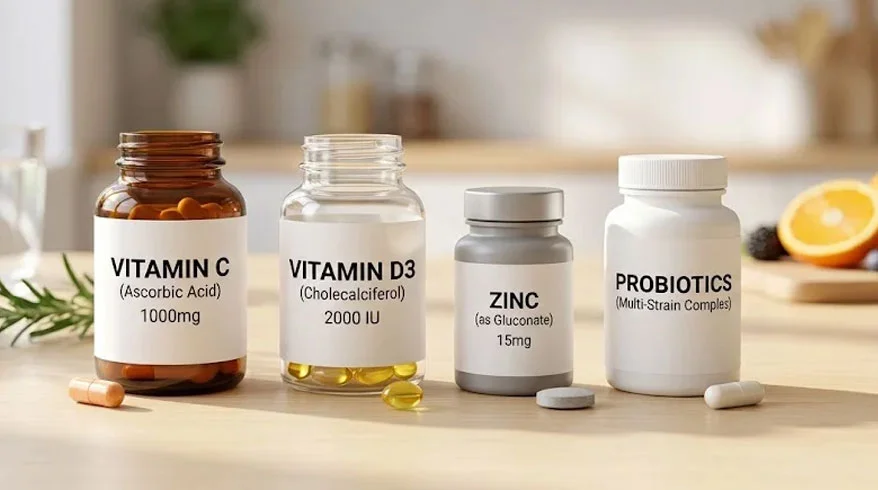
Evidence-Based Immunity Supplements: Vitamin C, D, Zinc, and Probiotics
A clinical review of how Vitamin C, Vitamin D, Zinc, and Probiotics interact with the human immune system, separating scientific reality from marketing hype.

Brain Health
Read Article
Natural Nootropics for Mental Health and Focus: L-Theanine, Bacopa, and Rhodiola
Explore the scientific evidence behind natural nootropics like L-Theanine, Bacopa Monnieri, and Rhodiola Rosea for supporting cognitive function, focus, and mental resilience.

Dietary Supplements
Read Article
Top 5 Premium Supplement Brands for Longevity and Biohacking (Ranked & Reviewed)
An objective, in-depth audit of premium supplement manufacturers evaluating manufacturing purity, bioavailability, and clinical transparency.
Brain Health
Read Article
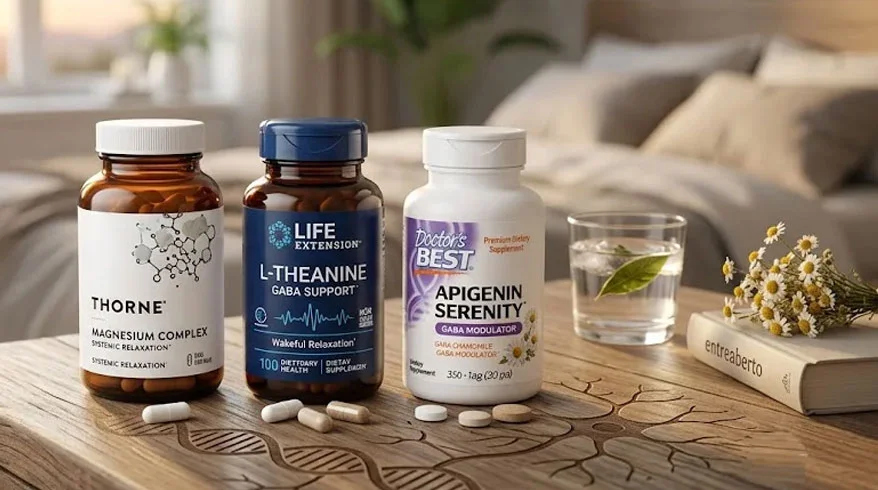
The Ultimate Science-Backed Supplement Stack for Deep Sleep and Anxiety Relief
Discover the clinical science behind the ultimate sleep stack. Learn how combining Magnesium, L-Theanine, and Apigenin supports deep sleep and nervous system relaxation.

Ingredients
Read Article
DIY Botanical Extraction: The Science of Crafting Herbal Tinctures
Learn the biological mechanisms and proper ratios for extracting active plant compounds using alcohol and glycerin menstruums at home.
Dietary Supplements
Read Article
Testosterone Supplements for Men: What Science Says
Testosterone supplements are trending in search again, but not all ingredients are backed by the same level of evidence. Here's what randomized clinical trials actually show about the most common ones, and what to check before buying.
Metabolic Health
Read Article
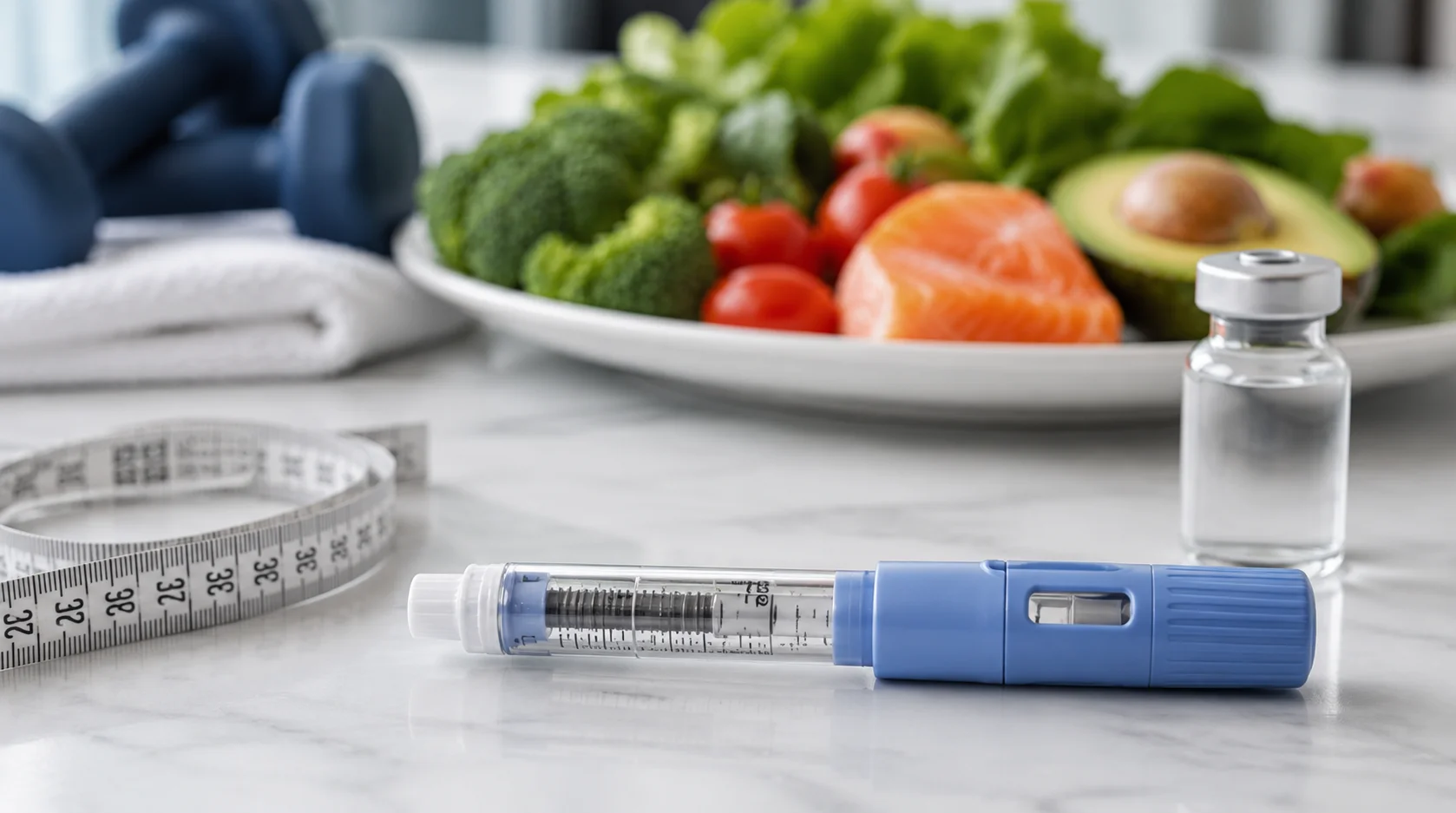
GLP-1 Weight Loss Drugs: What the Science Shows
GLP-1 medications are the most searched weight-loss topic in the US right now. Here's what randomized trials actually show about efficacy, and the safety warnings every patient should know before starting.
Metabolic Health
Read Article
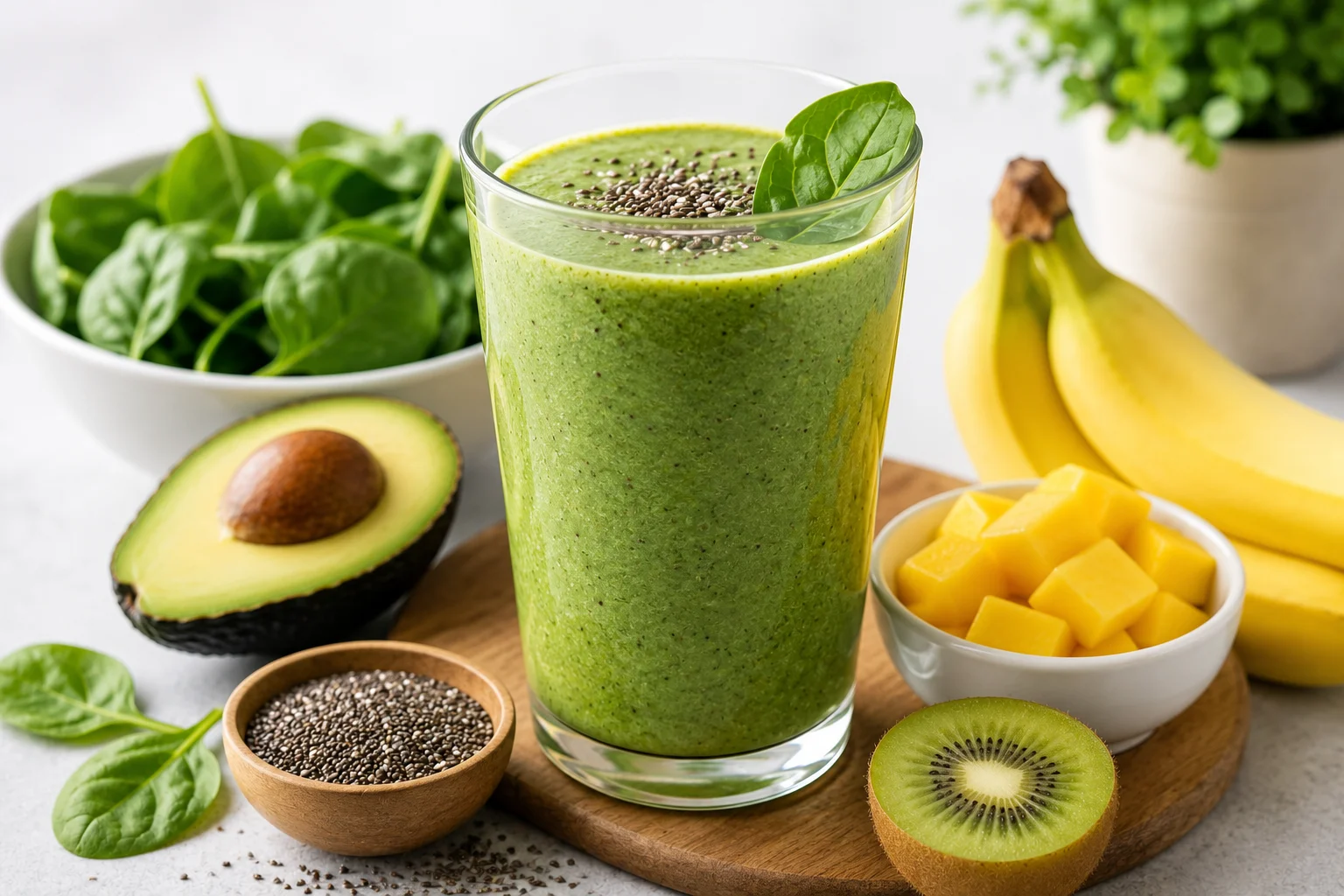
Sustainable & Natural Weight Loss: A Science-Backed Guide
Achieving sustainable weight loss doesn't have to mean resorting to crash diets. Here is what clinical evidence actually says about steady body composition changes, plus practical, nutrient-rich meal patterns designed to support long-term metabolic health.

Metabolic Health
Read Article
Prediabetes: Early Signs, Risk Factors & Reversal
More than 1 in 3 U.S. adults has prediabetes, and most don't know it. Here's how to spot the early signs, understand your risk, and what the evidence says about turning it around.

Metabolic Health
Read Article
GLP-1 Muscle Loss: What the Research Really Shows
Semaglutide and tirzepatide can produce dramatic weight loss, but clinical trials show a meaningful share of that loss comes from lean muscle, not just fat. Here's what the body composition data actually shows, and the strategies researchers link to preserving muscle during treatment.
Metabolic Health
Read Article
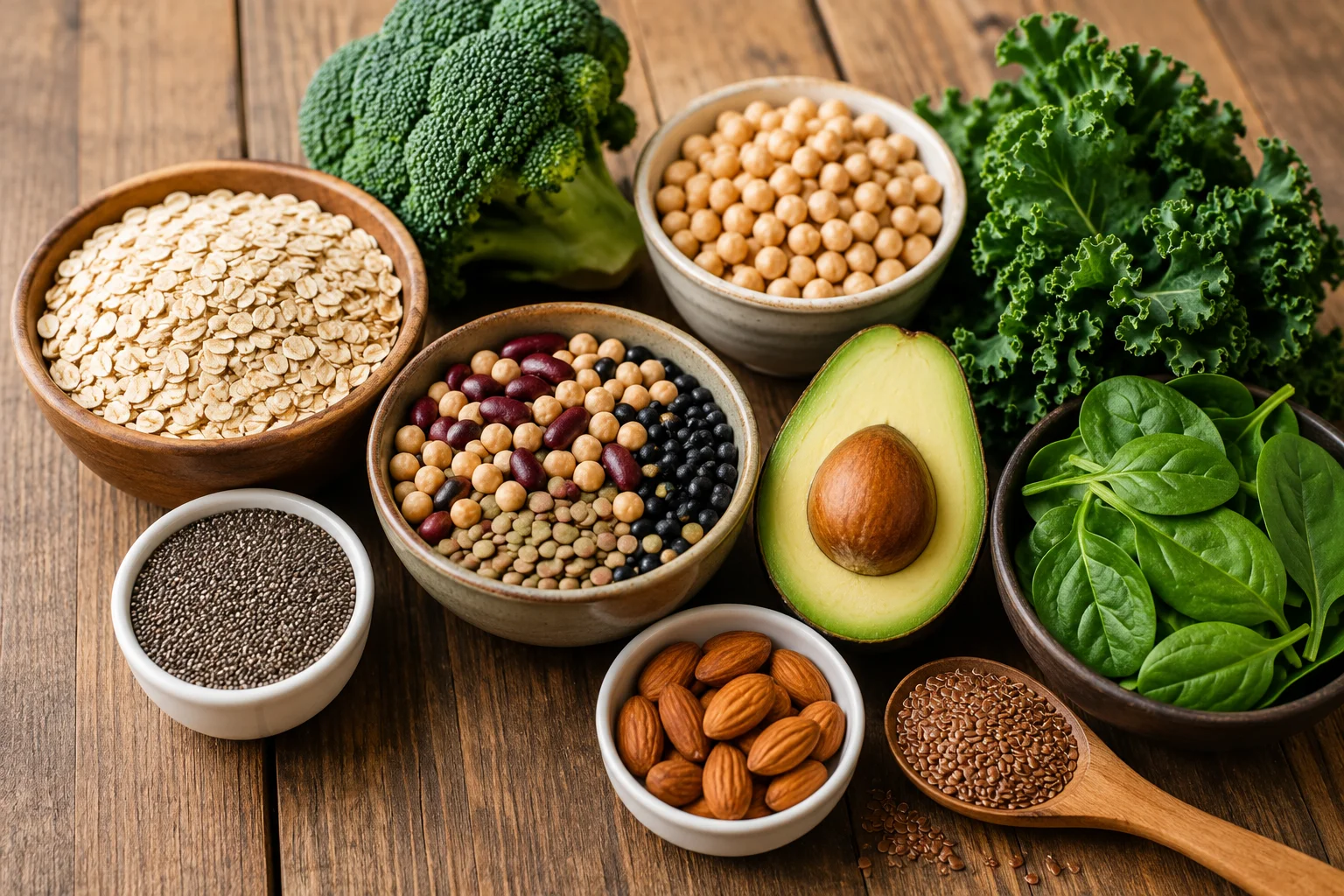
This Nutrient Curbs Hunger Like GLP-1 Drugs
Fiber does more than support digestion, it directly influences the same gut-brain signals targeted by GLP-1 medications. Here is what the research shows about fiber, satiety, and long-term weight regulation.

Brain Health
Read Article
Cognitive Resilience: Magnesium L-Threonate & L-Theanine
As cognitive demands increase, maintaining neural health requires targeted interventions. Explore how specific compounds cross the blood-brain barrier to support memory and focus.
Lab Tests
Read Article
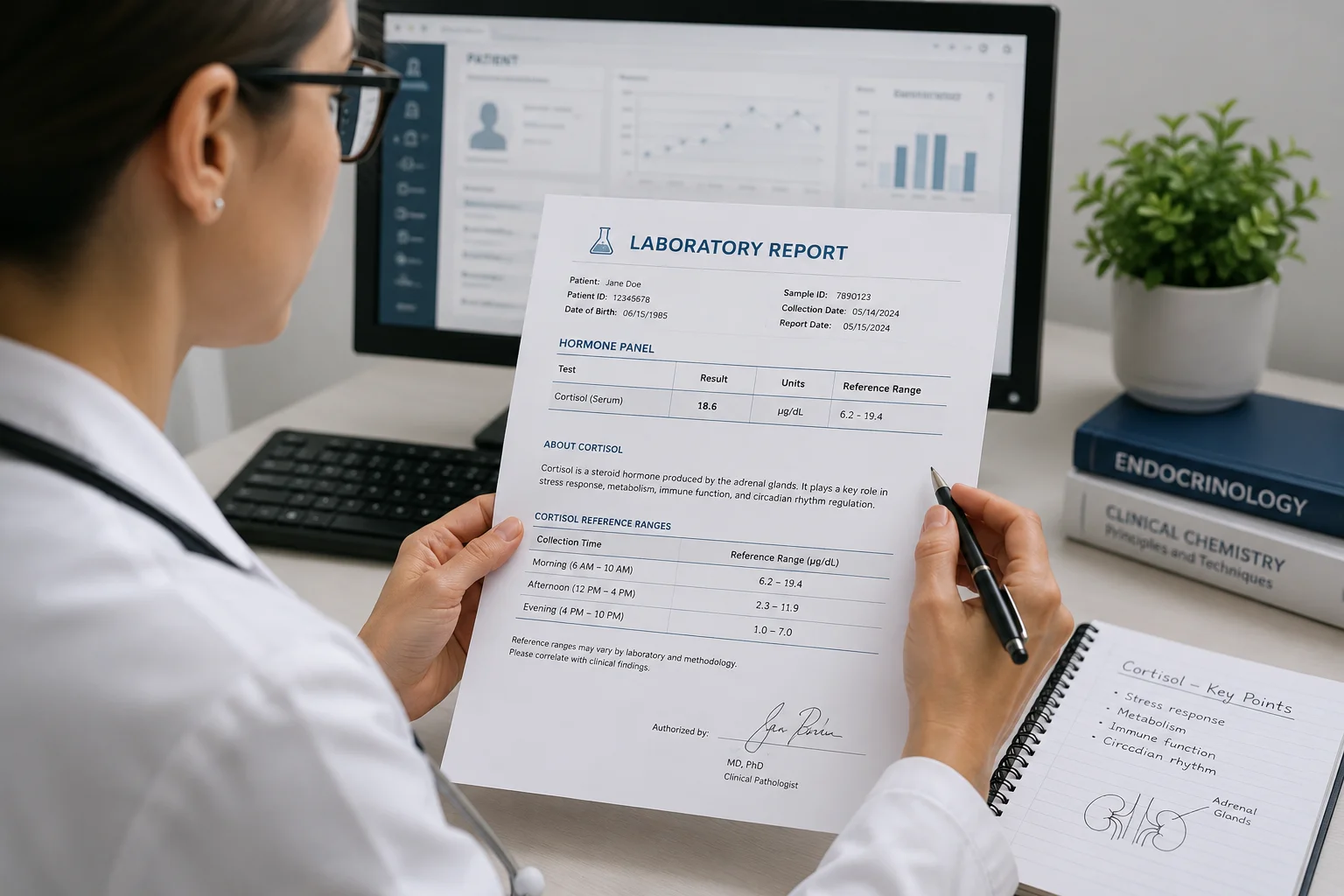
Cortisol Testing: Clinical Biomarkers of Chronic Stress
Chronic stress impacts metabolic and cognitive health. Discover how cortisol testing provides vital clinical insights into neuroendocrine function.
Metabolic Health
Read Article
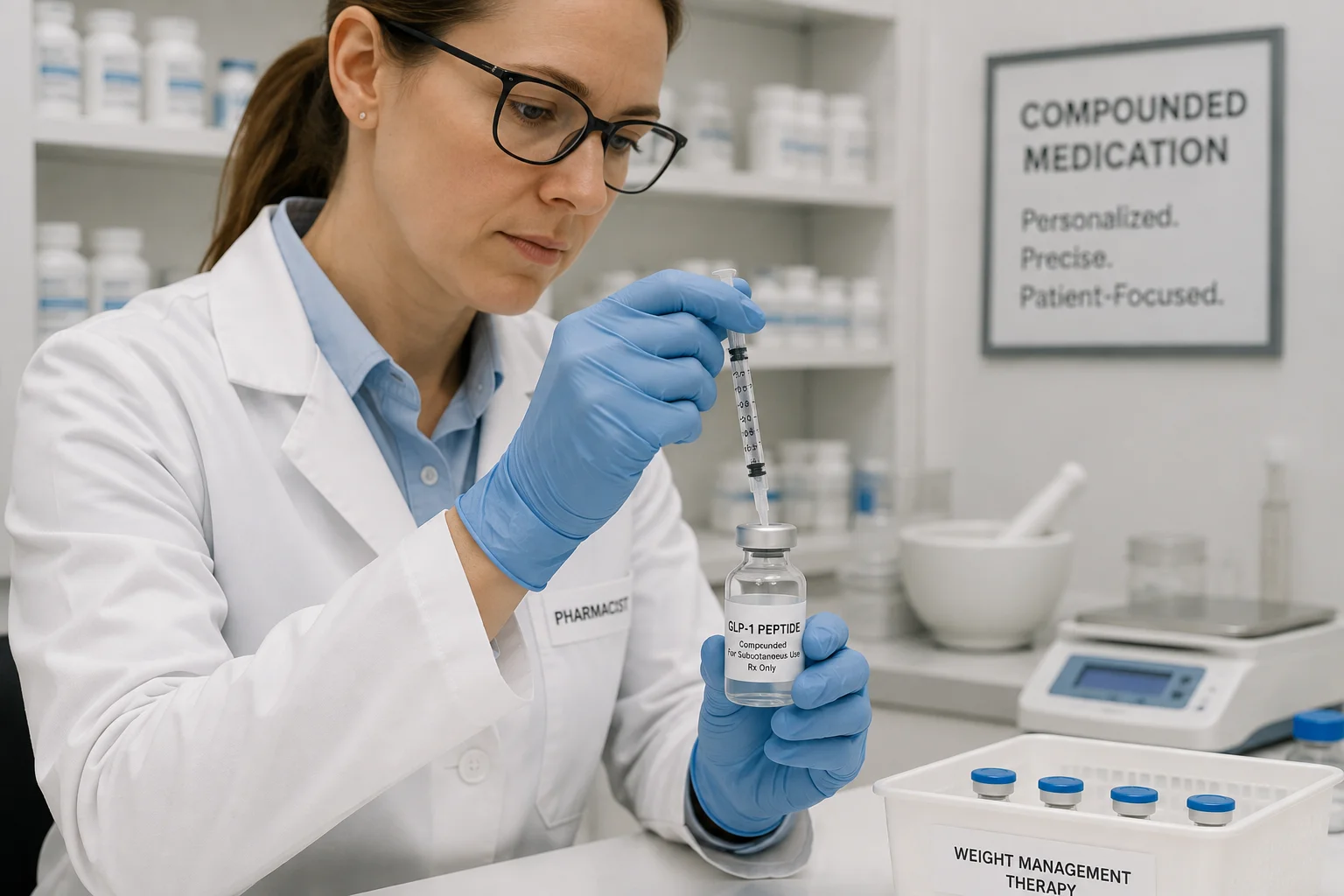
Weight-Loss Peptides: What Compounded GLP-1s Really Do
The FDA just eased restrictions on compounded weight-loss peptides, reshaping how patients access GLP-1 therapy. Here's what the science says about how they work, their evidence base, and the safety questions worth asking before starting one.
Metabolic Health
Read Article
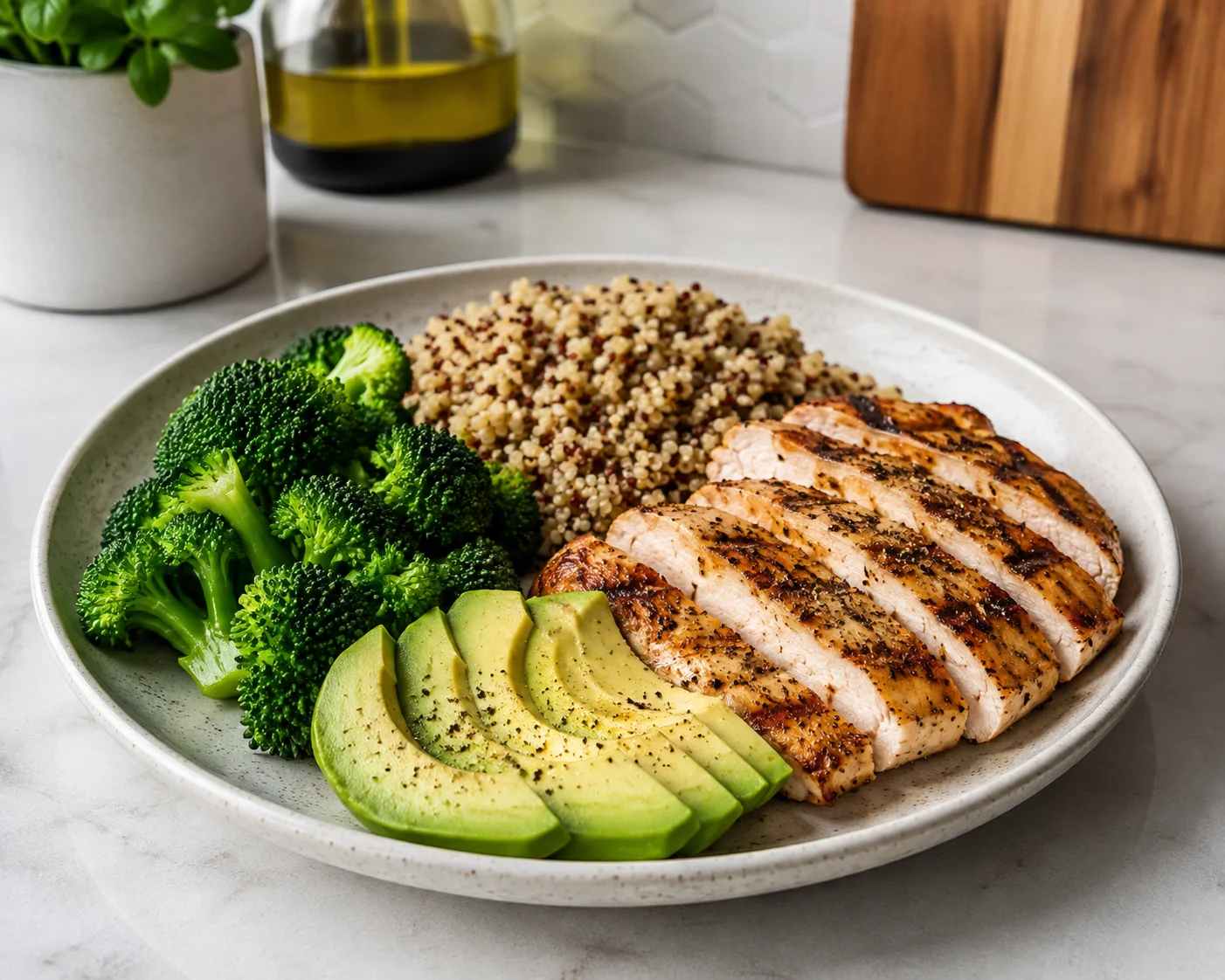
High Protein Diet: What Science Actually Says
High-protein diets are everywhere—from gym bros to weight-loss clinics. But how much protein is actually helpful, and when does it become risky? We break down the real science.
Hearing Health
Read Article
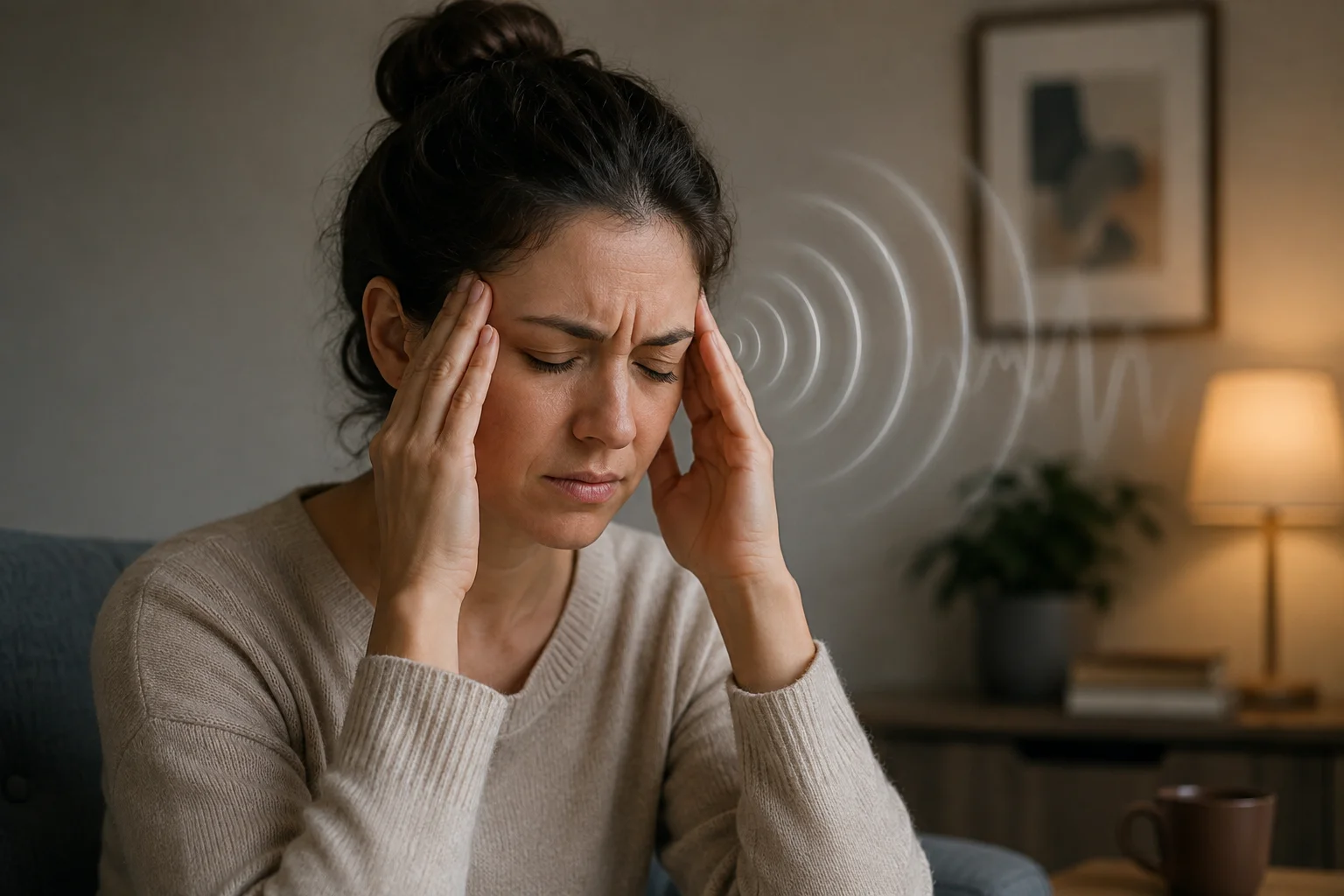
Can Stress Cause Tinnitus? The Cortisol Link Explained
Chronic stress doesn't just affect your mood. It may also influence how loud tinnitus feels through the body's cortisol and HPA-axis stress response. Here's what current research says about the connection.

Nutrition
Read Article
How Much Protein Do You Really Need in 2026?
The 2025–2030 Dietary Guidelines just raised protein targets by up to 100%. Here's how to translate that number into real fast-food and grocery-store choices without overdoing it.
Hearing Health
Read Article
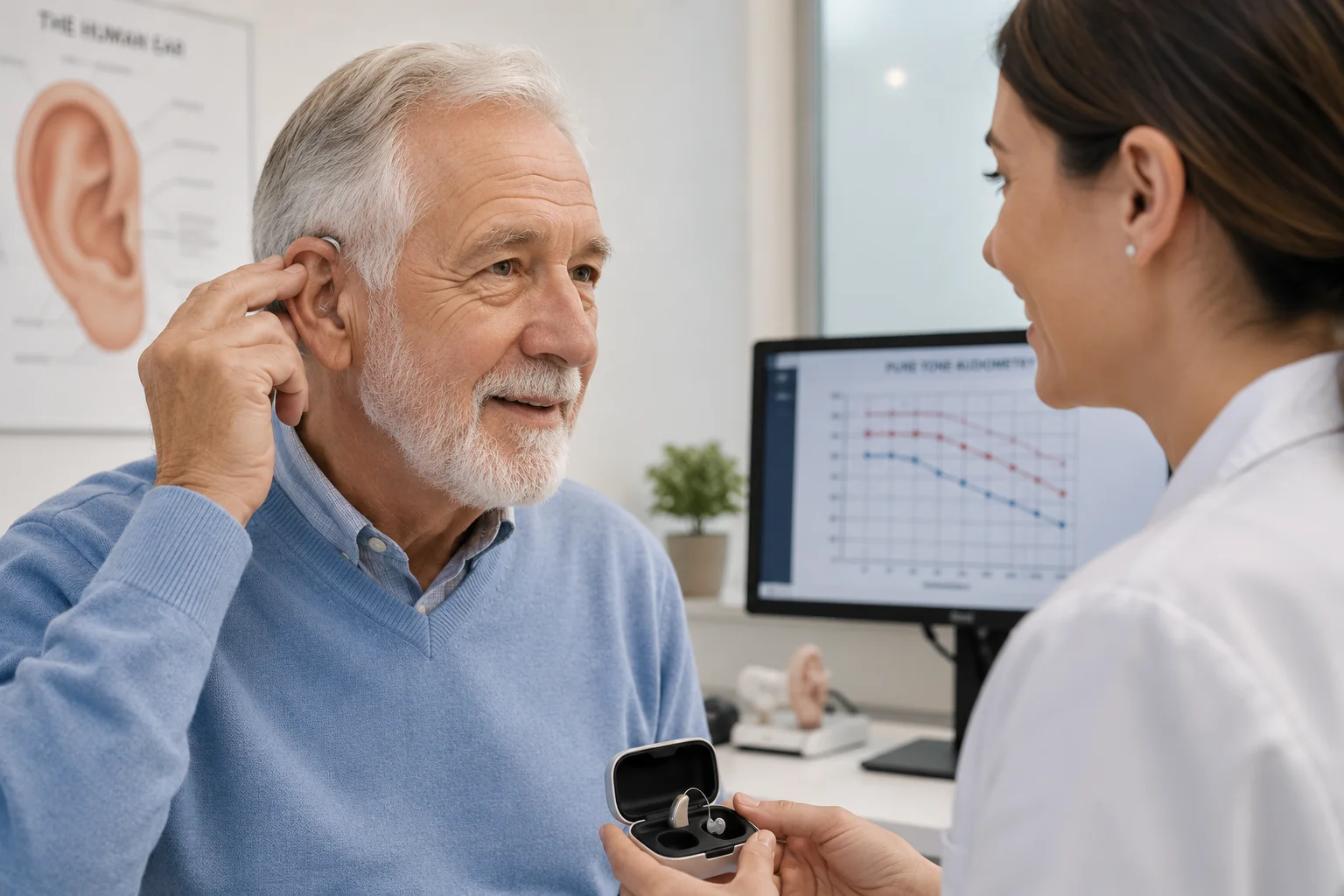
Does Medicare Cover Hearing Aids? Full Guide
Original Medicare won't pay for hearing aids. Here's exactly what Medicare Advantage, Medicaid, VA benefits, and FDA-regulated OTC devices actually cover before you spend thousands out of pocket.
Lab Tests
Read Article
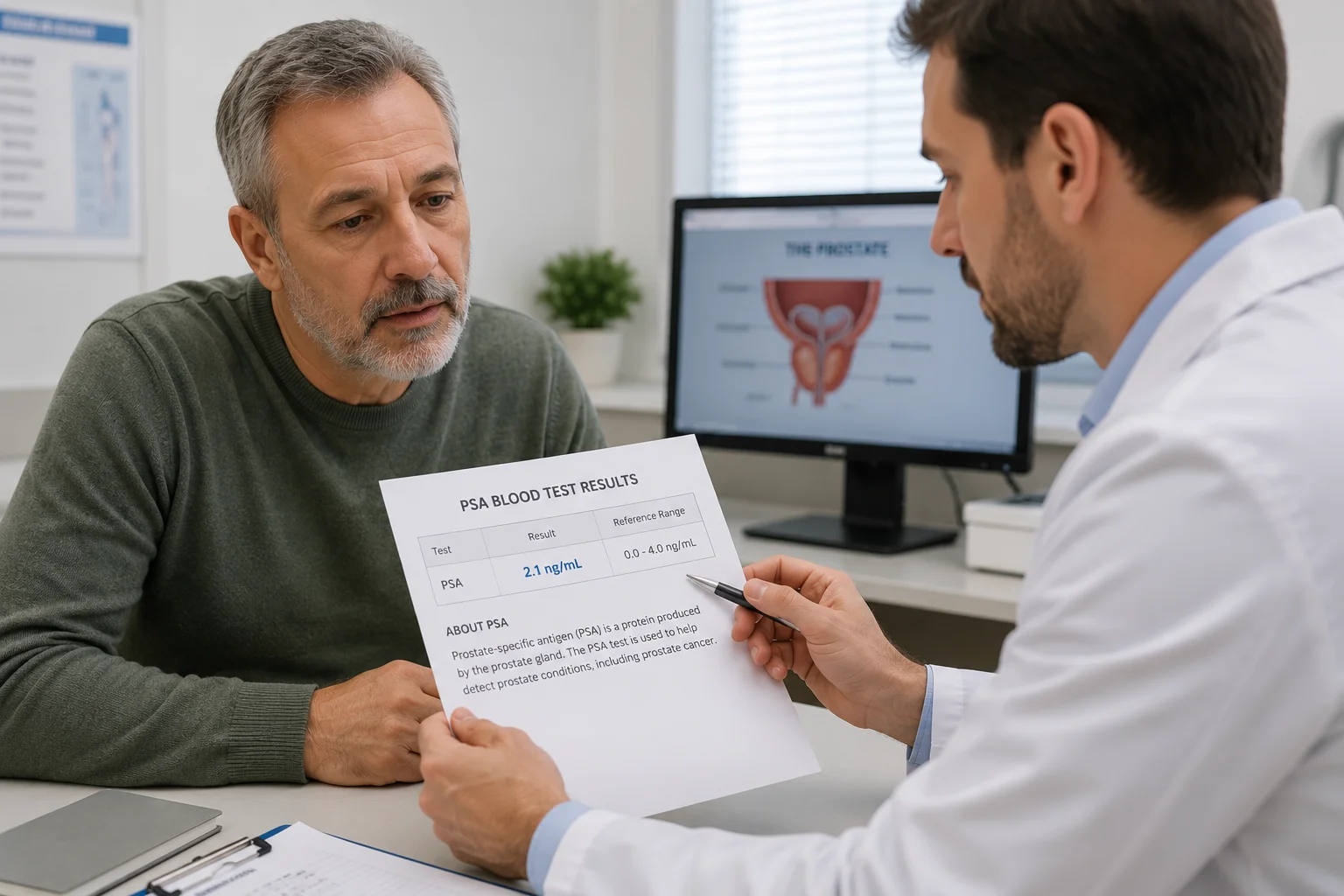
New PSA Screening Guidelines: What They Mean
New clinical guidelines just reshaped who should get a PSA test and when. Here's what the American Urological Association changed, why it matters for men over 40, and how the test actually works.
Oral Health
Read Article
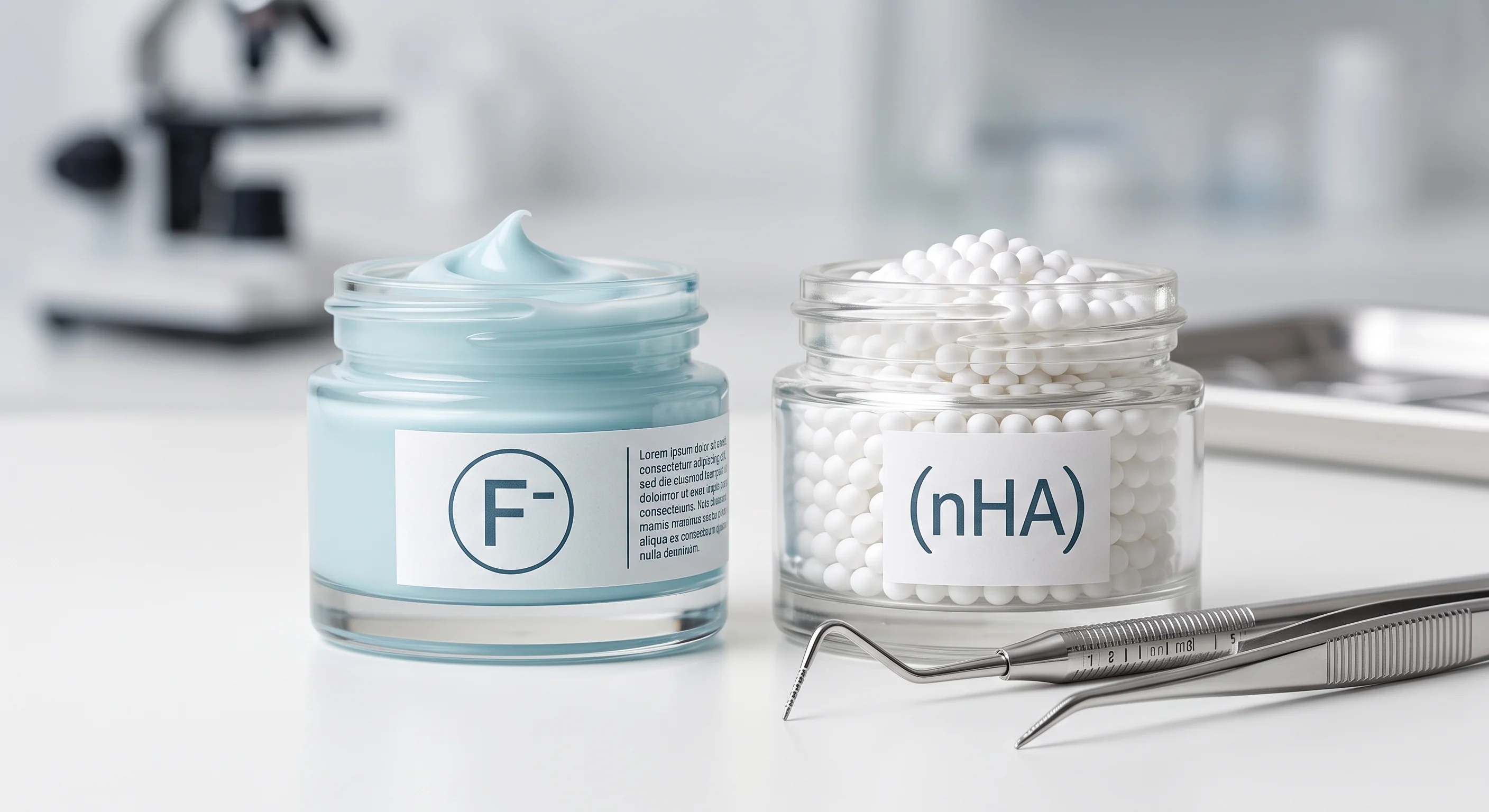
Hydroxyapatite vs. Fluoride: The Science Behind Enamel Remineralization (Which to Choose?)
Dental science offers two main pathways for enamel remineralization. Discover the clinical differences between traditional fluoride and biomimetic nano-hydroxyapatite.
Brain Health
Read Article
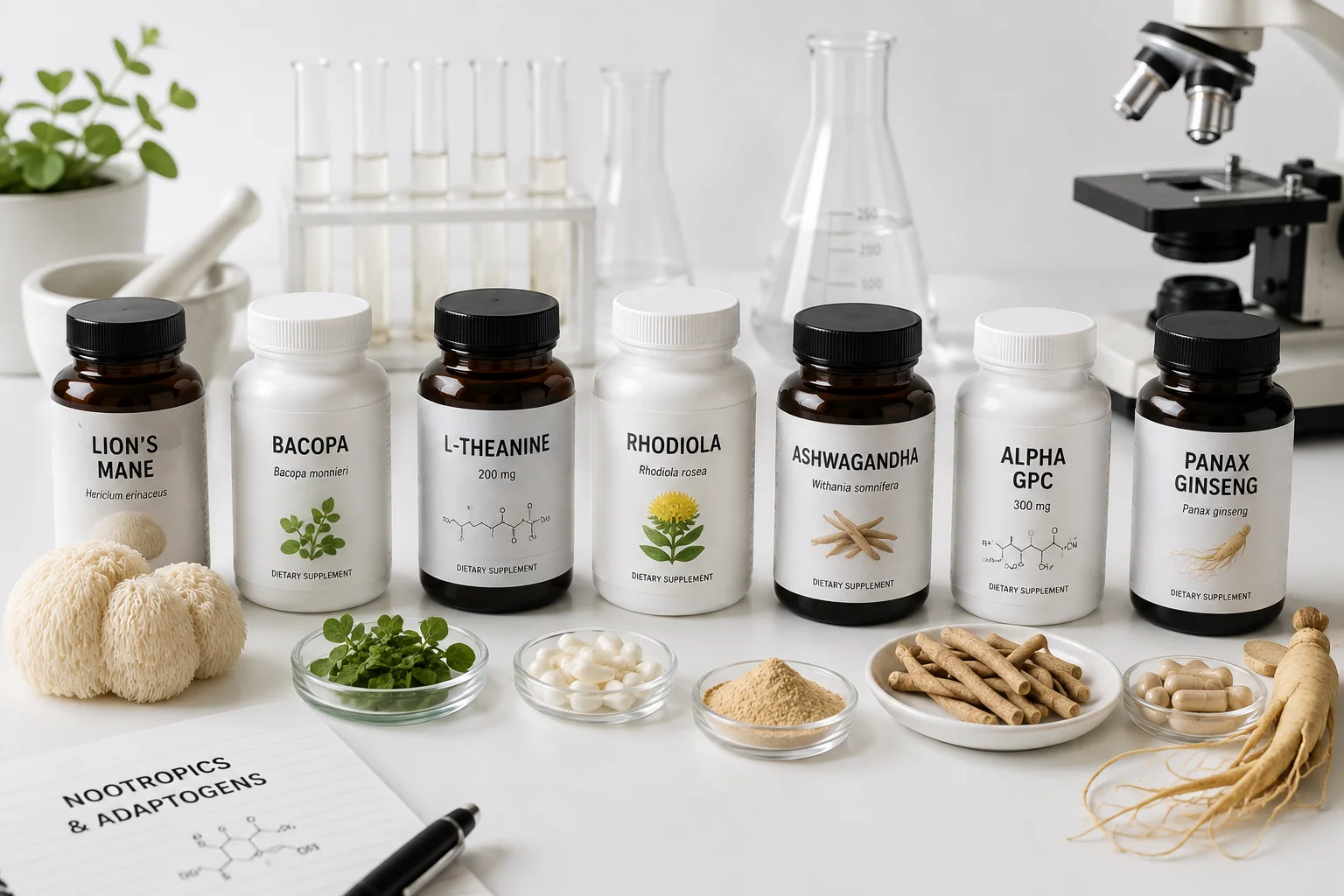
The Rise of Cognitive Supplements for Focus & Stress
As physical optimization plateaus, the wellness focus shifts to the brain. Discover the clinical evidence behind today's leading cognitive and stress-support supplements.
Metabolic Health
Read Article
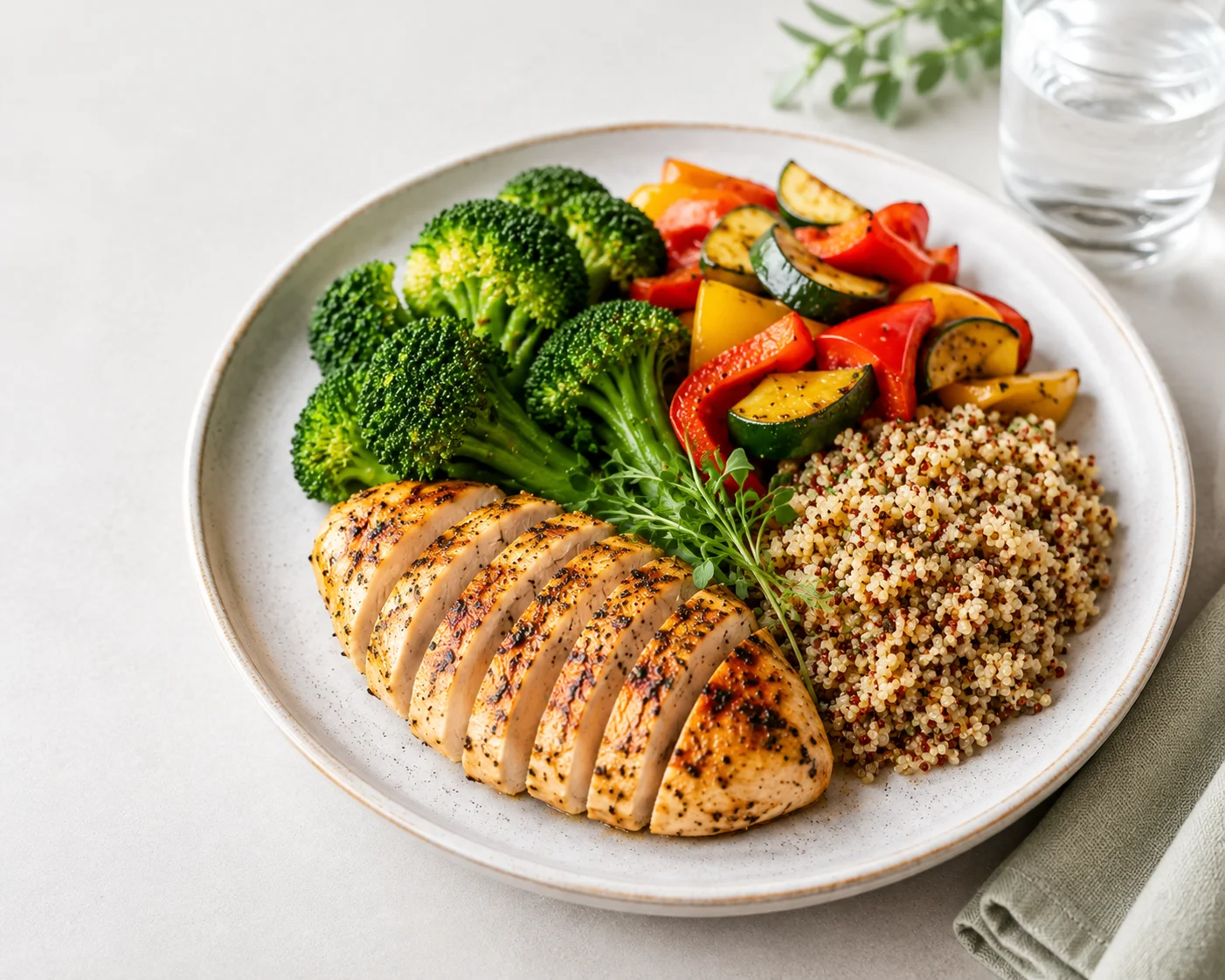
What to Eat on GLP-1 Medications: A Meal Guide
GLP-1 medications suppress appetite, but not the body's need for protein and key nutrients. Here is what current research says about eating well, preserving muscle, and managing side effects while on treatment.

Metabolic Health
Read Article
Reset Your Metabolism: Stop Being Always Tired and Hungry
Millions of Americans struggle with chronic fatigue and relentless cravings. The underlying cause often lies in a disrupted metabolic triad: unstable blood sugar, elevated cortisol, and deteriorating muscle mass.
Dietary Supplements
Read Article
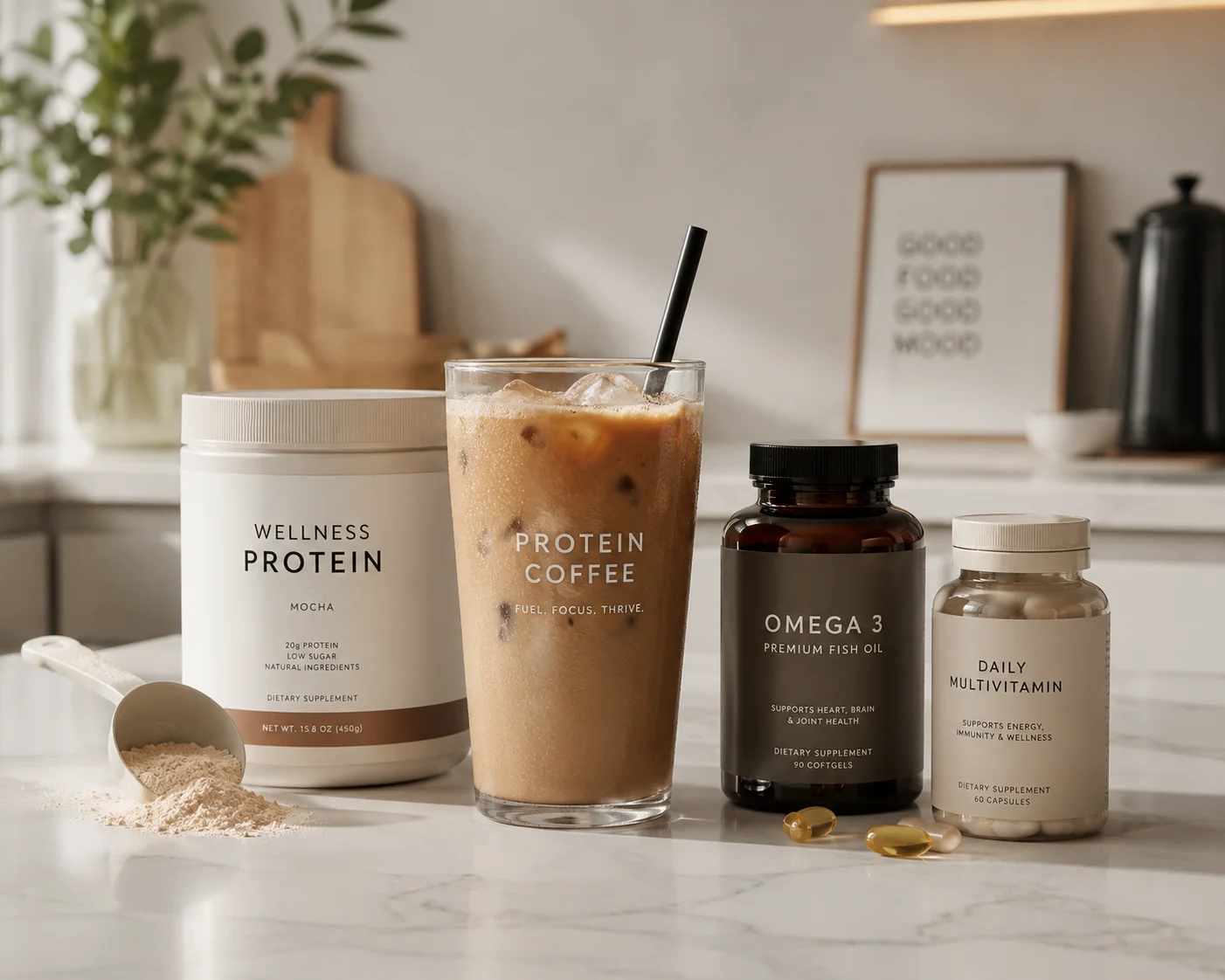
Proffee Trend: Clinical Science of Protein & Coffee
The standard American breakfast is undergoing a massive culture shift toward metabolic optimization. Proffee—the combination of protein and coffee—is leading the charge. Discover the biological mechanisms behind this high-yield morning routine and how to optimize it without clumping.

Digestive Health
Read Article
What Your Gut Really Needs (Beyond Probiotics)
Swallowing bacterial capsules isn't enough if your gut lacks the right environment. Discover how prebiotics and postbiotics actually drive digestive health and daily energy.

Women's Health
Read Article
Menopause and HRT: Hair Loss, Bleeding & Timing
A single study in 2002 convinced millions of women to stop hormone therapy overnight. This guide breaks down what 18 years of follow-up research says about timing, hair loss, bleeding, and who actually benefits.

Women's Health
Read Article
Creatine for Women in Menopause: What the Clinical Research Actually Shows
Creatine sales among women have jumped sharply as new trials target menopause-related brain fog and muscle loss. Here's what the actual randomized controlled trials found — including the doses that worked and the ones that didn't.